
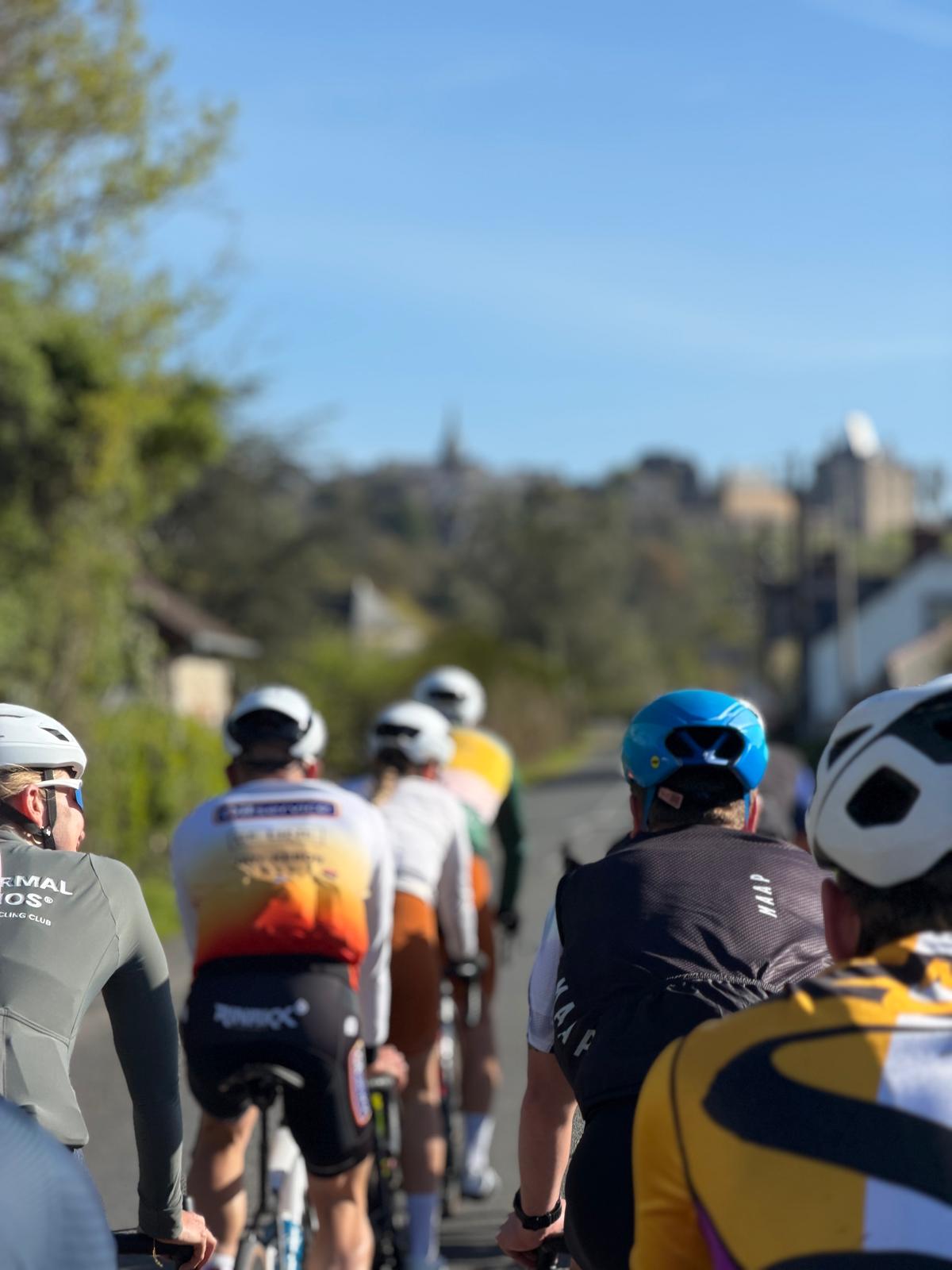
Environmental Resilience | Climbing & Gradient
£260.00
What actually changes in your body position when the road tilts up — and does it cost you more than the gradient alone explains? A matched-effort comparison of your flat and climbing positions (via KICKR Climb or treadmill incline), filmed and compared side by side, with breathing pattern and physiology captured alongside as supporting evidence — not the headline. For cycling and running.
Descripción
Climbing changes more than your speed. Trunk angle, hip position, how compressed your torso gets — all of it shifts once the gradient goes up, and most athletes have no idea by how much, or whether it’s actually costing them something beyond the obvious extra work of climbing.
This test compares your flat and climbing positions directly, at a matched, fair work rate: the same watts on the bike (gradient simulated on a KICKR Climb) or the same speed running (gradient set on a treadmill), so what you see isn’t just “climbing is harder” — it’s what specifically changes in your position when it does. The climb effort is held long enough to see your real, settled climbing position and effort — set to what’s genuinely sustainable for you, not a fixed target that doesn’t fit your fitness or experience.
The primary read is biomechanical: your position on flat ground versus your position on the gradient, filmed and compared directly. Alongside that, we look at your breathing pattern in each condition — is a more compressed climbing position showing up as a shift in how you’re breathing, not just how hard you’re working. Physiology (VO2, heart rate, or lactate, depending on what’s booked) is captured throughout too, as supporting context for what the position change is actually costing you — but it’s the position driving the story here, not the other way round.
What you’ll get:
– Side-by-side video comparison of your flat and climbing position — trunk angle, hip position, torso compression
– A breathing-pattern read at each condition, considered alongside the postural change
– Supporting physiology at matched effort (VO2/HR or lactate) for context
– Practical guidance — a positional cue, a bike-fit consideration, or technique focus — if your climbing position is costing you in ways you can’t feel
Built for cycling and running, using KICKR Climb or treadmill incline to create a real, controlled, repeatable gradient.


 Español
  English (UK)
  Français
  Deutsch
  Italiano
  Nederlands (België)